#Visualizingwonder: A Fairytales on TV Symposium


Yesterday and today, we are holding the Visualizing Wonder symposium at BYU. We have scholars from across the country and Canada participating, and we are excited! The purpose, participants and agenda are outlined below, and as soon as the conference is over, we will be updating the blog with a recap of what was discussed and the new research goals for this project. Read more... “#Visualizingwonder: A Fairytales on TV Symposium”
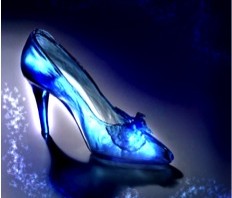
Glass Slippers and Small Screens: Rags to Riches and the American Dream

flagshoe


This is the powerpoint from Madeleine Dresden’s presentation at the 2014 American Folklore Society Conference in Santa Fe.

Glass Slippers and Small Screens: Rags to Riches and the American Dream Read more... “Glass Slippers and Small Screens: Rags to Riches and the American Dream”

Fairy Tales: Why the Glass Slipper Fits More than One Foot

Cinderella came out this week: in anticipation of this, there has been a pitched war between the bloggers and movie critics who say it represents a dangerous return to 1950s assumptions about womanhood and female desirability or that it’s a refreshingly straightforward reminder of belief in kindness and achieving impossible dreams. Read more... “Fairy Tales: Why the Glass Slipper Fits More than One Foot”

What Shakespeare and Screenwriters Have in Common

Question #2 in the Tea Party Question List:

How does Shakespeare’s drawing on his “fairy tales” (i.e. Hamlet) compare to the modern synthesis of fairytales into popular entertainment?

This is a difficult question to answer, mostly because of how little information we have about local lore in the time of Shakespeare and about his writing process. Read more... “What Shakespeare and Screenwriters Have in Common”

How Alice Became a Fairy Tale. Sort of.


In these posts we will be doing our best to provide a preliminary answer to some of the questions asked at last week’s Mad Hatter Tea Party. Please note that these answers are not intended to be exhaustive: rather, they are an illustration of how someone might start to research using the database, and we hope that they will encourage and enable readers to continue the process on their own. Read more... “How Alice Became a Fairy Tale. Sort of.”

Mad Hatter Tea Party at BYU

On January 27th, the BYU Fairy Tales group hosted a Mad Hatter Tea Party in celebration of  Lewis Carroll’s birthday and the 150th anniversary of Alice in Wonderland. Students and faculty enjoyed tea, Alice in Wonderland mad-libs, pin the smile on the Cheshire cat, and learning to use the Fairy Tales in Television Database (FTTV). Read more... “Mad Hatter Tea Party at BYU”

La Llorona versus Appalachian Jack: Assigning ATU numbers to International folktales

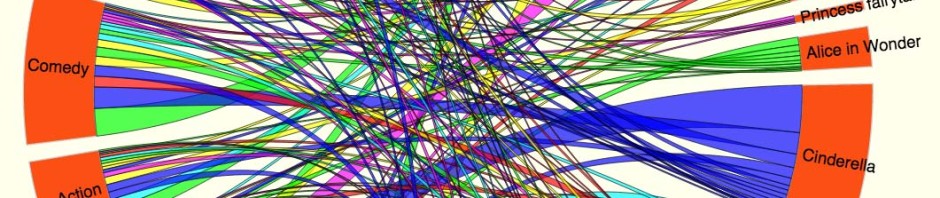
All of the fairy tale references in television in this database are categorized by a number from the Aarne Thomspon Uther index. This is an extensive list of mostly European fairy tales. Categorizing tales using these numbers was essential for the software that would show us the prevalence of specific tale types, but it also presented an endless rabbit hole of interesting questions, most of them dealing with the very broad question of what a fairy tale really is. Read more... “La Llorona versus Appalachian Jack: Assigning ATU numbers to International folktales”